Our technology.

Pioneering decentralized low-carbon methanol production through standardized, modular skids. Innovative thermochemical gasification converts carbon residues into high-purity methanol at the source.
Explore our configurations

How we do it.

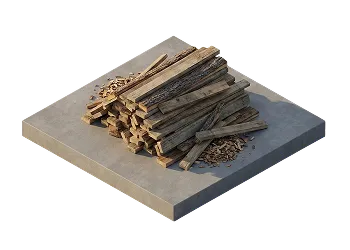
Waste Wood Collection

Coated, bonded and treated waste wood is currently costly to dispose of. NeoMethanol redefines these streams as valuable input materials instead of waste.

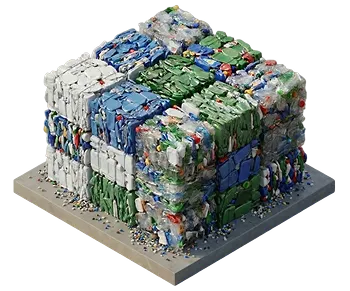
Waste Plastic Collection

Non-recyclable, mixed plastic streams — including multilayer films, composites and 3d plastic particels — are available in vast quantities and currently escape mechanical recycling. NeoMethanol redefines these streams as a chemical feedstock, closing one of the largest gaps in the industrial carbon loop.

Syngas Generation

Modular, scalable gasification units convert solid feedstock at temperatures above 1200°C into a tar- and halogen-free synthesis gas — using oxygen, lime and moderation agents in an advanced thermochemical process.
Syngas

Gas Purification

A multi-stage cleaning process removes particulates, sulfur compounds and trace impurities from the raw syngas — protecting the downstream catalysts and meeting chemical-grade syngas specifications.
Cleaned Syngas

Shift Reaction

In the Water-Gas Shift reactor, carbon monoxide reacts with steam to form additional hydrogen — adjusting the syngas to the optimal H₂-to-CO ratio for methanol synthesis.
Shifted Syngas

CO₂ Separation

A high-efficiency separation stage removes excess CO₂ from the shifted syngas and recovers surplus hydrogen as a separate product stream. The captured CO₂ is routed to utilization (CCU) or storage (CCS) — closing the carbon loop end-to-end.
H₂

Gas Compression

The chemical-grade syngas is compressed to the operating pressure of the methanol synthesis loop, typically 40 – 80 bar, using multi-stage compressors.
CO₂: CCU/CCS

CO₂ Usage: CCU/CCS

Instead of being released into the atmosphere, captured CO₂ is either stored through CCS or repurposed via CCU.

Chemical-grade Syngas

Methanol Synthesis

Over a copper-based catalyst at around 240 °C and 40–80 bar, the chemical-grade syngas is converted into liquid crude methanol. Tight temperature control protects catalyst lifetime and ensures consistent product quality.
Crude Methanol

Product Distillation

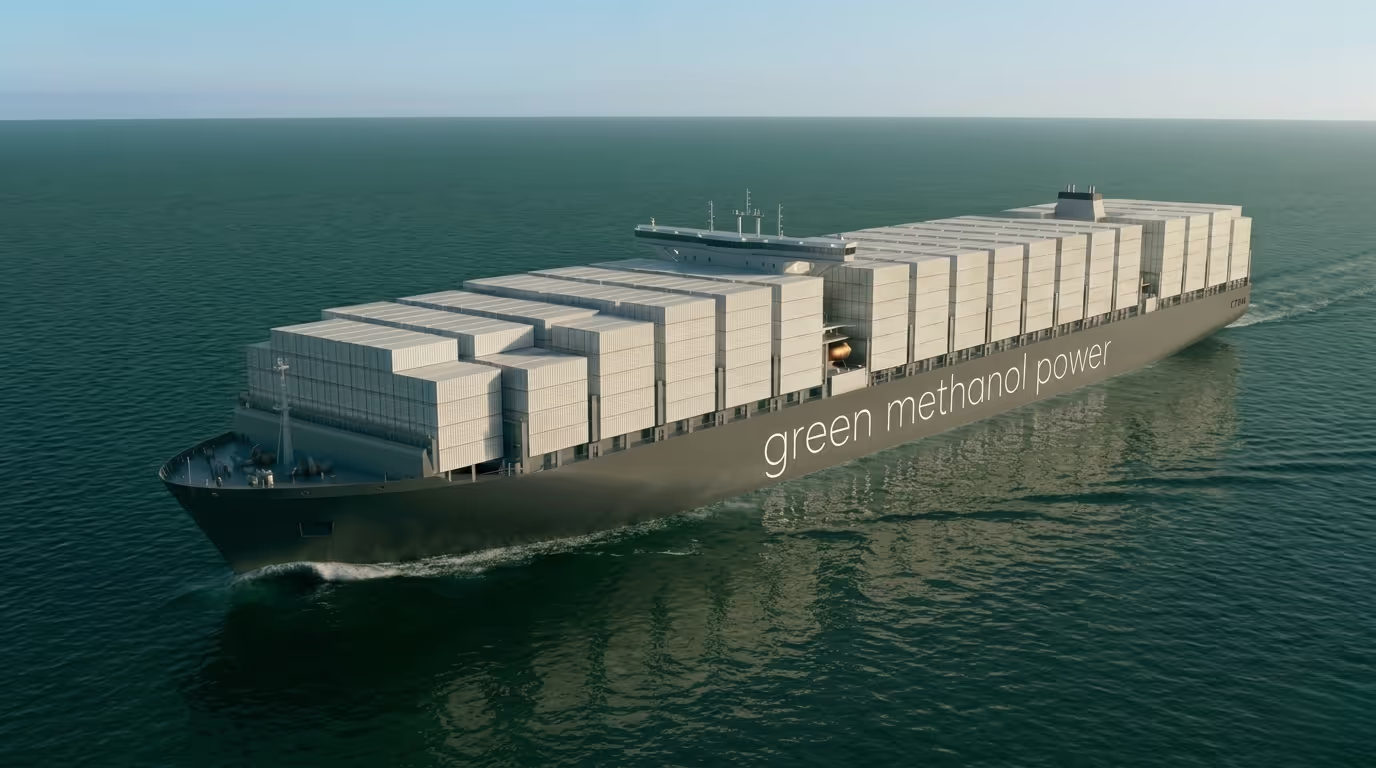
A multi-column distillation train removes water, light ends, and higher alcohols from the crude methanol. Depending on customer requirements, NeoMethanol can be delivered as chemical-grade methanol (IMPCA Grade AA) or as fuel-grade methanol for shipping and heavy transport.
Chemical-grade / Fuel-grade Methanol
Visual Disclaimer

Note:

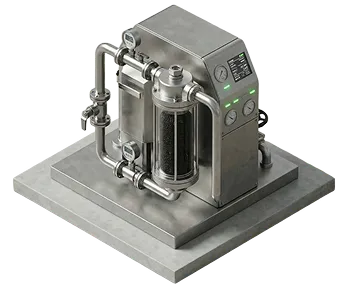
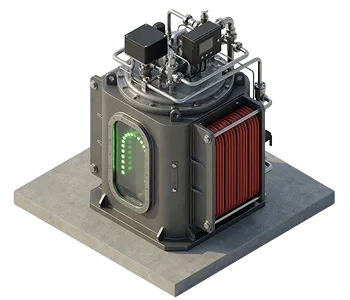
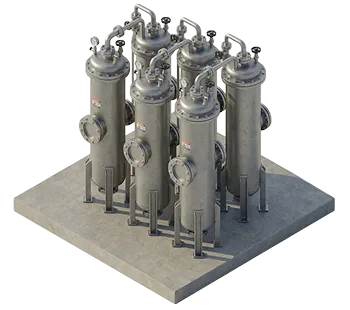
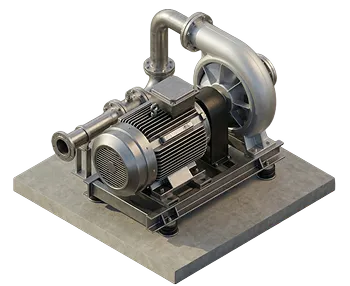
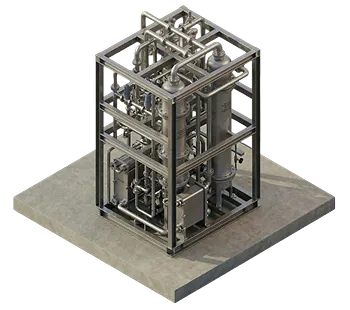
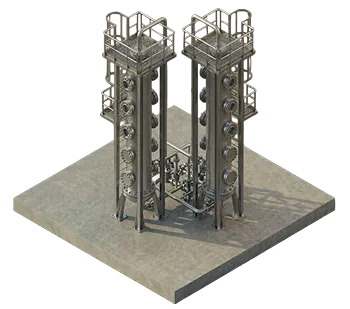
The images shown are for illustrative purposes only. The actual systems and installations may vary in appearance, configuration, and technical specifications depending on specific project requirements.

Waste Wood Collection

Coated, bonded and treated waste wood is currently costly to dispose of. NeoMethanol redefines these streams as valuable input materials instead of waste.

Waste Plastic Collection

Non-recyclable, mixed plastic streams — including multilayer films, composites and 3d plastic particels — are available in vast quantities and currently escape mechanical recycling. NeoMethanol redefines these streams as a chemical feedstock, closing one of the largest gaps in the industrial carbon loop.

Syngas Generation

Modular, scalable gasification units convert solid feedstock at temperatures above 1200°C into a tar- and halogen-free synthesis gas — using oxygen, lime and moderation agents in an advanced thermochemical process.
Syngas

Gas Purification

A multi-stage cleaning process removes particulates, sulfur compounds and trace impurities from the raw syngas — protecting the downstream catalysts and meeting chemical-grade syngas specifications.
Cleaned Syngas

Cleaned Syngas

Part of the syngas is diverted to the watergas-shift reactor. Remaining syngas flows directly to compression for methanol synthesis.

Shift Reaction

In the Water-Gas Shift reactor, carbon monoxide reacts with steam to form additional hydrogen — adjusting the syngas to the optimal H₂-to-CO ratio for methanol synthesis.
Shifted Syngas

CO₂ Separation

 A high-efficiency separation stage removes excess CO₂ from the shifted syngas and recovers surplus hydrogen as a separate product stream. The captured CO₂ is routed to utilization (CCU) or storage (CCS) — closing the carbon loop end-to-end.
CO₂

CO₂ Usage: CCU/CCS

Instead of being released into the atmosphere, captured CO₂ is either stored through CCS or repurposed via CCU.

H2

Gas Compression

The chemical-grade syngas is compressed to the operating pressure of the methanol synthesis loop — typically 40 – 80 bar — using multi-stage compressors.
Chemical-grade Syngas

Methanol Synthesis

Over a copper-based catalyst at around 240 °C and 40–80 bar, the chemical-grade syngas is converted into liquid crude methanol. Tight temperature control protects catalyst lifetime and ensures consistent product quality.
Crude Methanol

Product Distillation

A multi-column distillation train removes water, light ends, and higher alcohols from the crude methanol. Depending on customer requirements, NeoMethanol can be delivered as chemical-grade methanol (IMPCA Grade AA) or as fuel-grade methanol for shipping and heavy transport.
Chemical-grade / Fuel-grade Methanol
Visual Disclaimer

Note:

The images shown are for illustrative purposes only. The actual systems and installations may vary in appearance, configuration, and technical specifications depending on specific project requirements.

Configurations.

NeoMe20

STANDARD
Production Capacity
20,000 t/year
Waste Input (dry mass)
~44,000 t/year
Footprint
~4,000 m²
Time To Market
18–24 months
Status
Engineering in progress

NeoMe50

INDUSTRY
Production Capacity
50,000 t/year
Waste Input (dry mass)
~110,000 t/year
Footprint
~8,000 m²
Time To Market
18–24 months
Status
Engineering in progress